[Avg. reading time: 10 minutes]
Evolution of IoT
IoT evolved from isolated device communication to distributed, event-driven systems where intelligence is shared across edge, fog, and cloud.
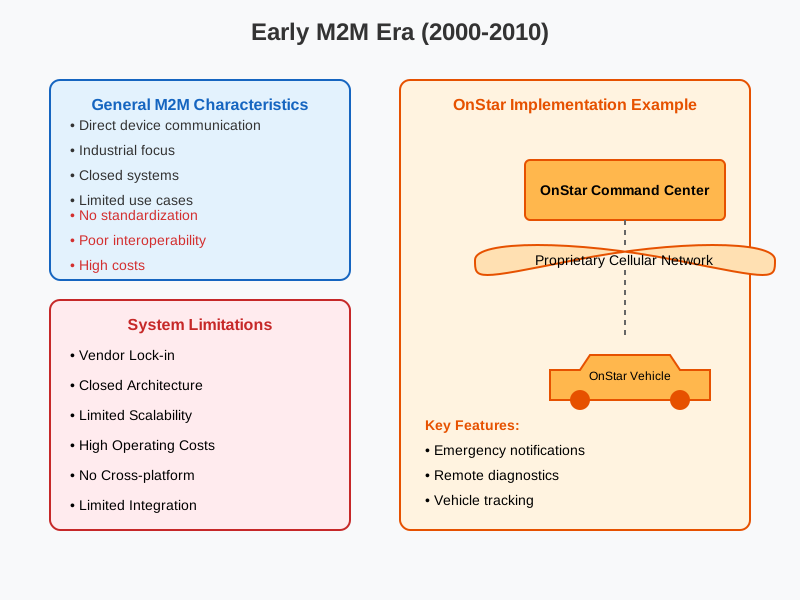
Early Phase (2000–2010): Machine-to-Machine Era
Characteristics
- Direct device-to-system communication
- Mostly industrial use cases
- Proprietary protocols
- Vendor-locked implementations
Limitations
- No standardization
- Poor interoperability
- High cost
- Difficult to scale
Example: OnStar Vehicle Communication
- Direct vehicle to control-center connection
- Proprietary cellular network
- Centralized command system
Capabilities
- Emergency alerts
- Vehicle tracking
- Remote diagnostics
Limitations
- Closed ecosystem
- Single-vendor dependency
- High operational cost
Implementation: General Motors’ OnStar system (2000s)
Initial IoT Phase (2010–2015): Three-Layer Architecture
Architecture Layers
Perception Layer
- Sensors and actuators
- Data collection from physical world
Network Layer
- Connectivity
- Data transmission
Application Layer
- Basic analytics
- Visualization
- User interfaces
Key Advances
- Cloud computing adoption
- Open protocols emerge
- Improved interoperability
Example 1: Nest Learning Thermostat (1st Generation)
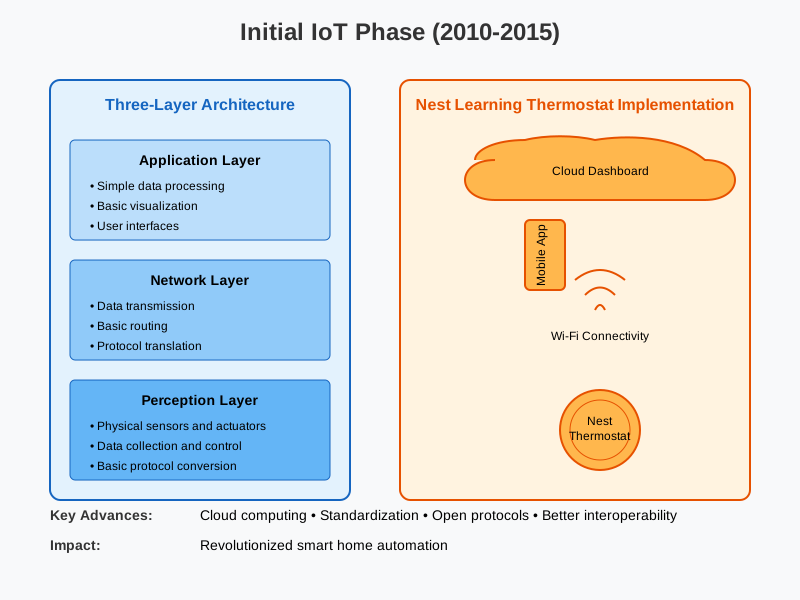
- Temperature and motion sensors
- Wi-Fi connectivity
- Cloud-backed mobile application
Impact
- Mainstream smart home adoption
- Remote monitoring and automation
Intermediate Phase (2015-2018): Five-Layer Architecture
The five-layer model emerged because cloud-only processing could not meet latency, scale, and enterprise integration needs.
Additional Layers
- Transport Layer: reliable data movement
- Processing Layer: analytics and rule engines
- Business Layer: enterprise integration and monetization
Improvements
- Better security models
- Edge computing introduced
- Improved scalability
- Structured data management
Example: Smart City - Barcelona
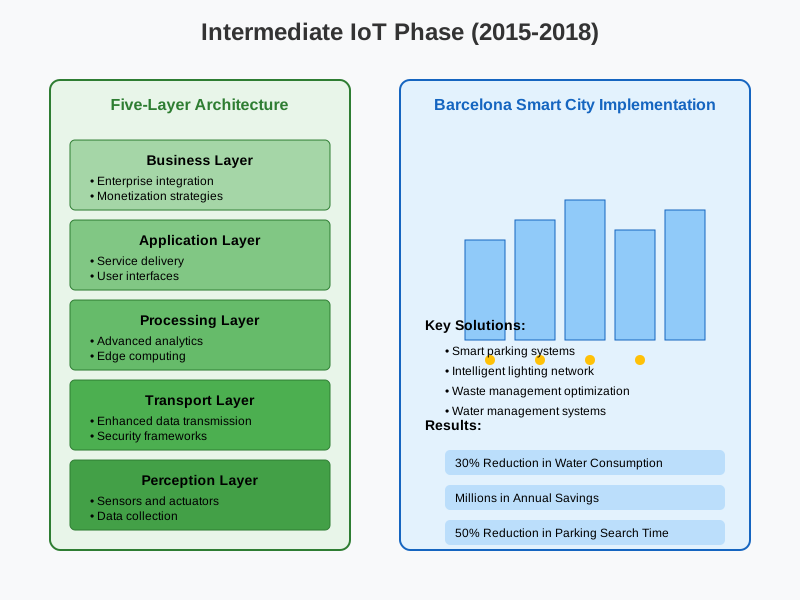
Architecture
- City-wide sensor networks
- High-speed transport networks
- Central data platforms
- Multiple city applications
- Business and governance layer
Results
- Reduced water consumption
- Improved traffic flow
- Optimized waste management
Modern Phase (2018-Present): Service-Oriented Architecture
Core Characteristics
- Microservices-based systems
- Edge–Cloud continuum
- Event-driven architecture
- Zero-trust security
- AI and ML integration
Key Capabilities
Distributed Intelligence
- Edge processing
- Fog computing
- Autonomous decision-making
Advanced Integration
- API-first design
- Event mesh
- Digital twins
Security
- Identity-based access
- End-to-end encryption
- Continuous threat detection
Scalability
- Containers
- Serverless computing
- Auto-scaling
Example: Tesla Vehicle Platform
Architecture
- Edge computing inside vehicles
- Cloud-based OTA updates
- AI-driven autopilot
- Digital vehicle twins
Impact
- Continuous improvement
- Predictive maintenance
- Fleet-level intelligence
Example : Amazon Go Stores
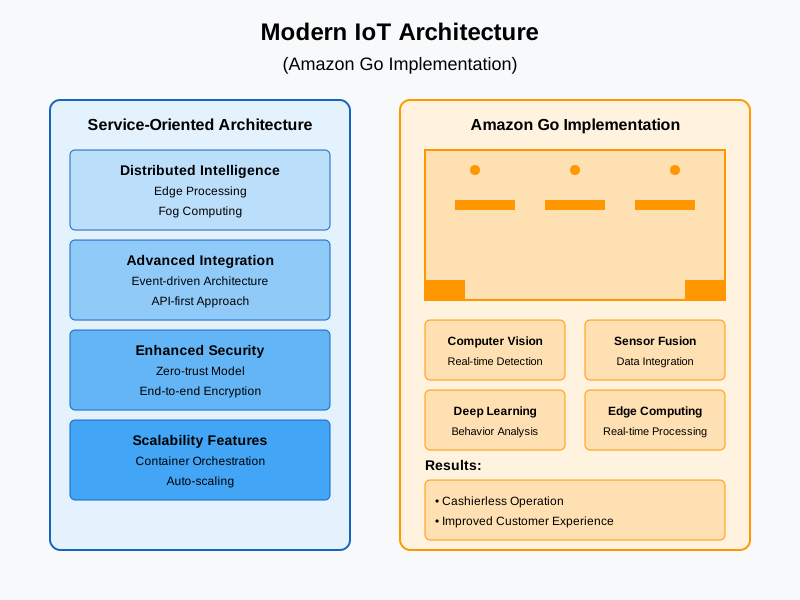
Technologies
- Computer vision
- Sensor fusion
- Edge AI
- Deep learning
Results
- Cashierless retail
- Reduced operational cost
- Improved customer experience
Emerging Trends in IoT
Autonomous IoT
- Self-healing systems
- Self-optimizing networks
- Cognitive decision-making
Sustainable IoT
- Energy-efficient design
- Green computing
- Resource optimization
Resilient IoT
- Fault tolerance
- Disaster recovery
- Business continuity
Example: Smart Agriculture
- Autonomous machinery
- Drone integration
- Soil and weather sensors
- Precision farming
Example: Smart Grids
- Grid sensors
- Smart meters
- Edge intelligence
- Automated fault recovery
- Demand response
Key Architectural Shifts Over Time:
- From Centralized → Distributed
- From Monolithic → Microservices
- From Cloud-centric → Edge-centric
- From Static → Dynamic
- From Manual → Automated
- From Reactive → Proactive
Impact on Design Considerations
Scalability
- Vertical → Horizontal
- Static → Elastic
Security
- Perimeter-based → Zero trust
- Reactive → Preventive
Integration
- Point-to-point → Event-driven
- Tight coupling → Loose coupling
Operations
- Manual → Automated
- Centralized → Distributed